








Which Samsung lines we accept
Flagship Galaxy S models go into collateral — from current models to older generations, as long as they have a working screen and no signs of major repairs. We accept foldable Z Fold and Z Flip separately: we appraise not only the electronics but also the body mechanics. The A series are mass-market models that also build collateral value, though lower than flagships.
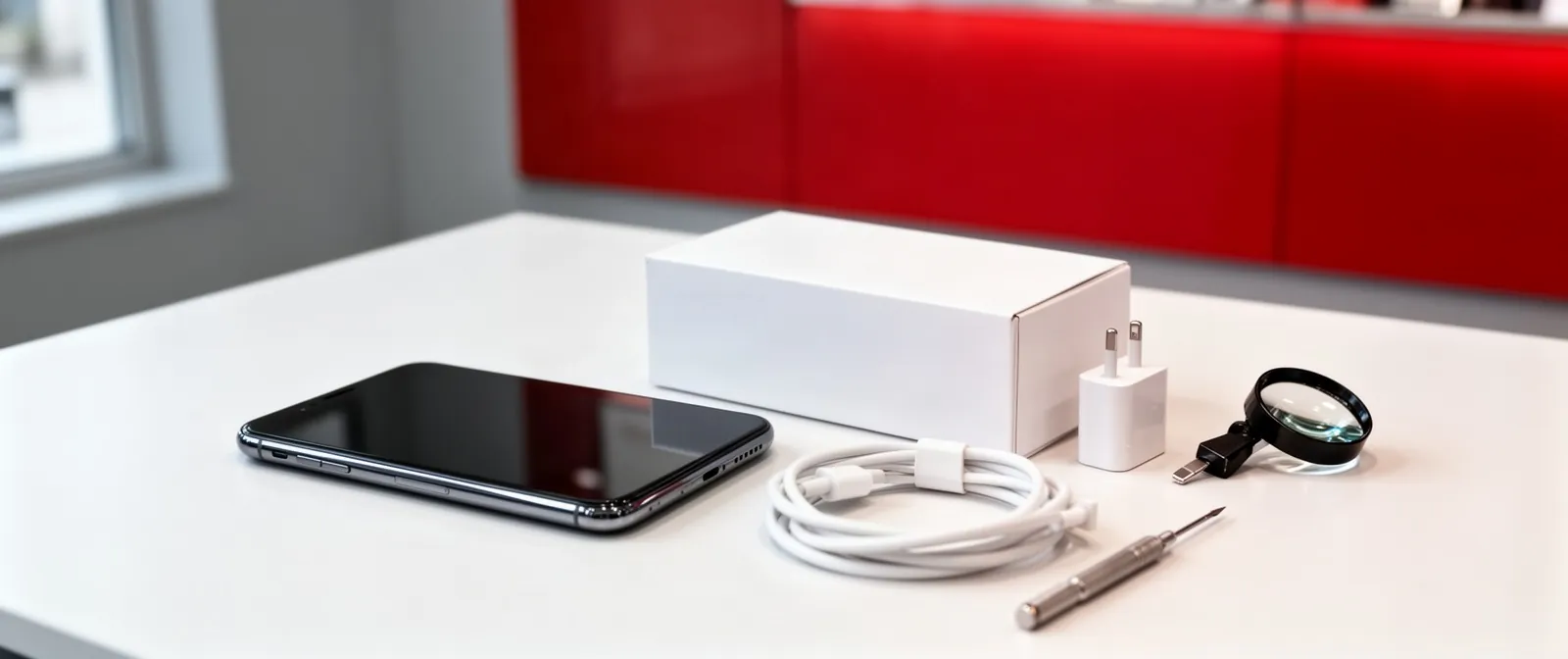
Storage size affects the appraisal: 256 and 512 GB versions cost more than the base 128 GB, all else being equal. An original box, case and charger don't add to the loan amount, but they confirm the device isn't refurbished. If the phone was opened at a third-party service, this may lower the appraisal — we check the seals and signs of opening in front of the customer.
We accept models made for other markets if they work on Kazakhstani networks and aren't carrier-locked. It's important that the device isn't reported stolen and has no installment debt. We check these parameters by IMEI before processing.
What happens to an AMOLED screen over time
The AMOLED screens Samsung puts in its smartphones burn in over time: static elements — the status bar, keyboard, app icons — leave faint ghost images. This isn't a breakdown but natural wear of the organic LEDs. The appraisal depends on the degree of burn-in: light traces on a white background barely reduce the amount, while visible colored spots do.
We check the screen in front of the customer: we turn on white, gray and colored backgrounds, look at backlight evenness and the absence of a green or pink tint. We also test the touchscreen across the whole area — models that have been dropped often have dead zones at the edges. If there's a crack or dark spot on the screen, that's no longer burn-in but matrix damage, and it affects the appraisal more.
The policy is simple: the fewer ghost images and defects, the higher the appraised value. We don't require a perfect screen — we accept a working device with light burn-in. But if the display was replaced with a non-original one, that shows up in the amount.
Samsung account, Google account and FRP
Before accepting a device, we check that the phone isn't linked to someone else's account. The Samsung account and Google account must be unlinked by the owner, otherwise after a factory reset the FRP protection kicks in — Factory Reset Protection. This is a standard Android mechanism: without the password to the previous account, the device stays locked even after a full reset.
We ask the customer to sign out of all accounts in front of us and disable the screen lock. If the phone is already reset but asks for a Google account you don't remember on startup, this is solvable, but only with proof of ownership. Without it we don't accept the device: this protects both the customer and the pawnshop.
Unlinking accounts takes a few minutes and doesn't affect the loan amount. If you're planning a collateral loan, it's better to do this in advance — the appraisal will go faster. When selling a phone for immediate buyout, the procedure is the same.
Hinge and inner screen on Z Fold and Z Flip
Foldable Samsungs are a separate appraisal category. The hinge is a mechanical unit that over time may develop play, click or not open fully. We check the smoothness of travel along the whole unfolding arc and the locking in intermediate positions. If the hinge is loose, it's not always critical, but it affects the appraisal.
The inner flexible screen is the most expensive part of the Z Fold and Z Flip. Typical defects: a line along the fold, dark spots, peeling of the protective film, dead touch zones. A line on the inner display means wear or damage to the matrix, and we appraise such devices lower. We check the outer screen separately, as it also affects the value.
If a foldable shows signs of liquid damage or dents on the body near the hinge, the appraisal is lower. We don't automatically refuse — we look at the whole picture: does it open, is the image readable, does the touchscreen respond. We give the final amount after inspection, but a preliminary one — from photos.
How the appraisal works and what affects the amount
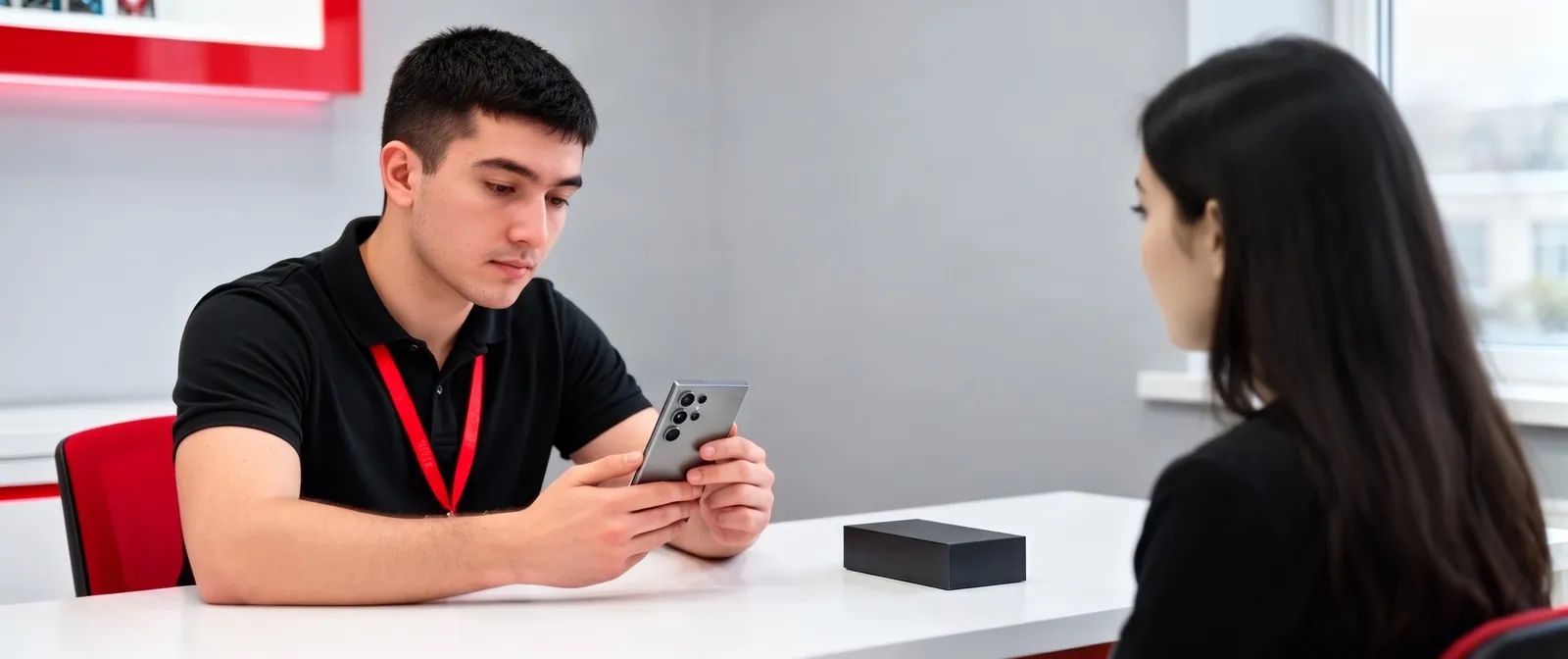
The appraisal is done in front of the client: we check the IMEI, screens, accounts, cameras, speakers, buttons and the hinge on foldables. Gold and other precious metals, if present in the collateral, are tested with an analyzer — no acid, no scratches. Based on the results we name the loan amount; it depends on the model, storage, screen and body condition.
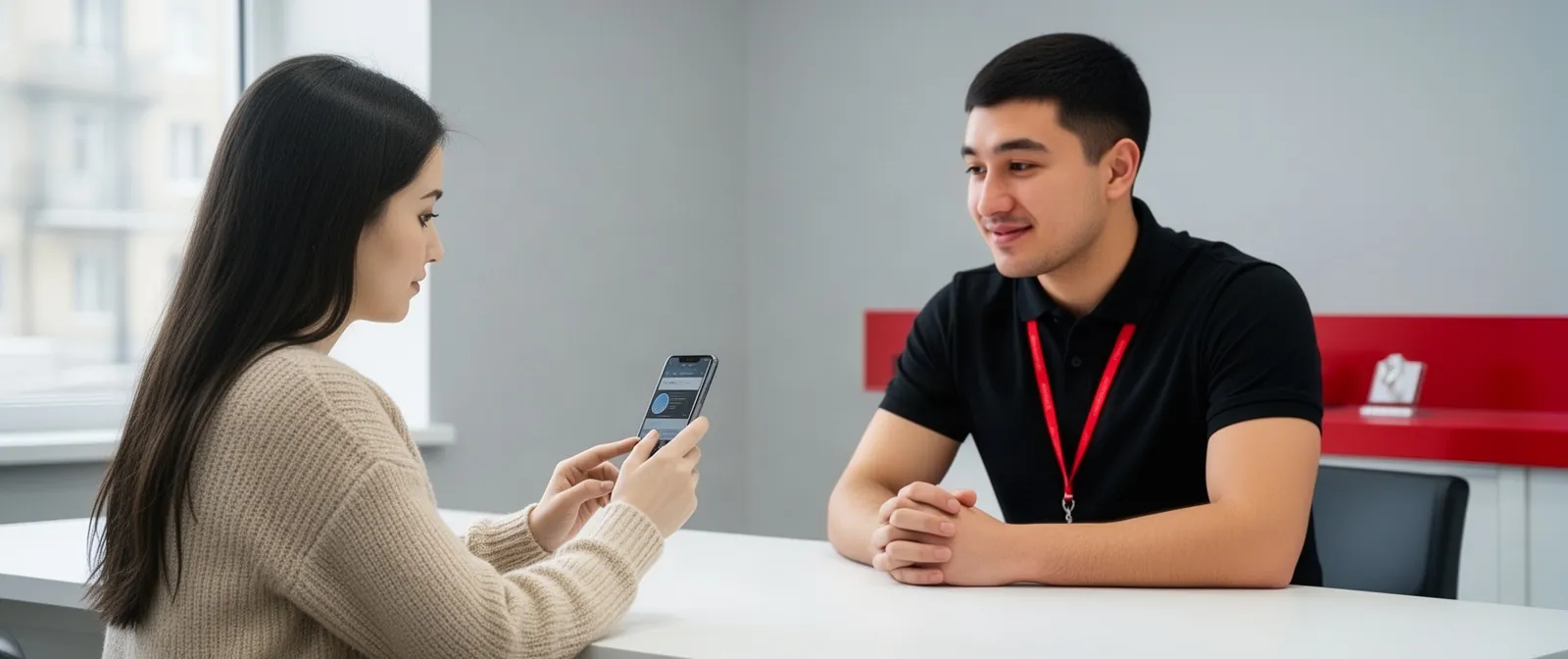
You can get a preliminary appraisal via WhatsApp photos: send pictures of the screen, the body and specify the model and storage capacity. It's not the final figure, but it helps you gauge the amount before your visit. At the branch the appraisal is free, as is the paperwork.
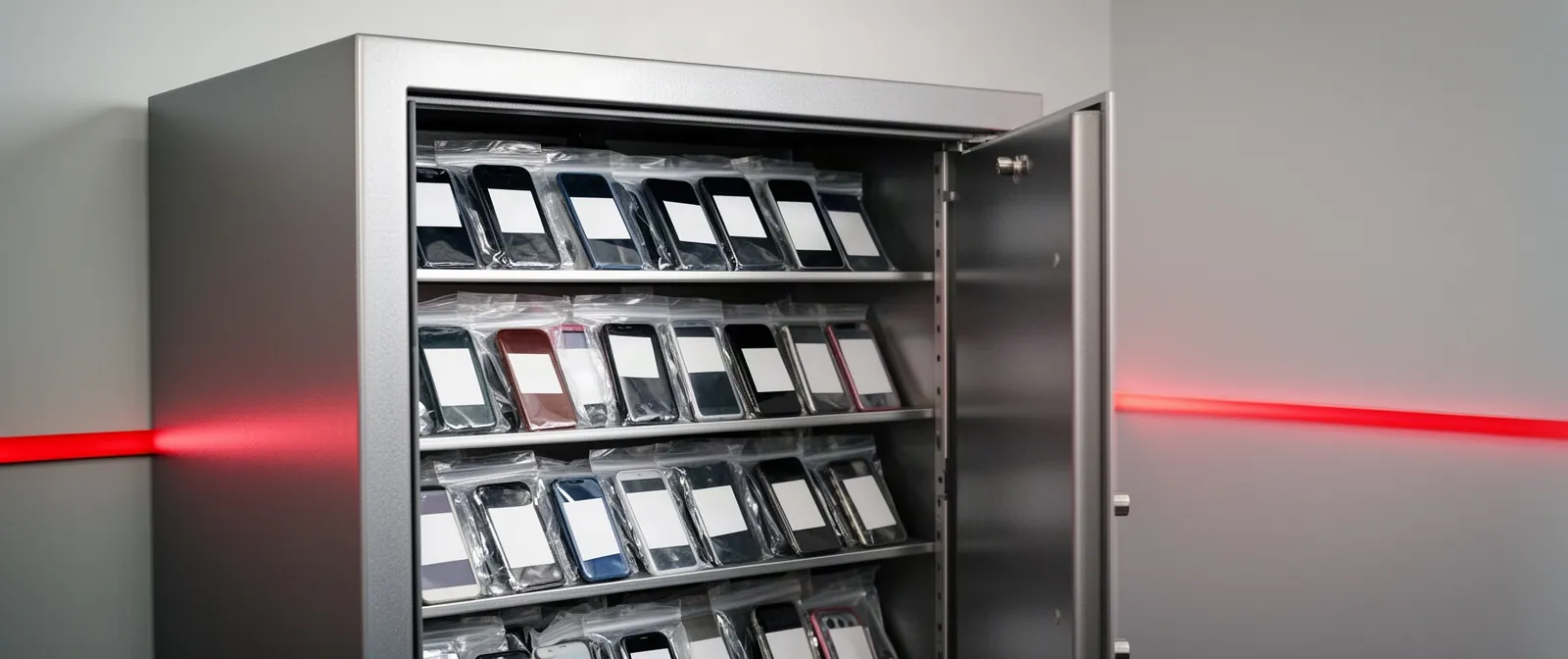
Items in collateral are kept in a safe. You can buy out the phone early with no penalty, and if you decide to sell right away — the buyout is about 10% more than the loan amount. We pay out in cash or to a Kaspi card.