

















What you can pledge
Almost anything with a market value and a clear way to verify it can be collateral. Most often it's gold: jewelry, scrap, coins, bars. Gold is convenient because its value is set by weight and purity, and authenticity is checked with a device right in front of the client, without acid or scratches.
Besides precious metals, we accept electronics: smartphones, laptops, tablets, cameras, game consoles. Wristwatches are also taken, including mechanical and collectible ones, and other liquid items. For each category, condition, completeness and current market price are assessed.
Vehicles are a separate category: cars and motorcycles. Here collateral is arranged differently than for movable items and requires vehicle documents. If you're not sure whether your item will be accepted, you can send a photo via messenger in advance and get a preliminary appraisal before visiting a branch.
How a collateral loan differs from a microloan
A microloan is issued against a promise to repay: the decision depends on your credit history, income and supporting documents. A collateral loan works differently — the item itself is the security, so credit history isn't checked. Usually a national ID and the collateral item are enough to apply.
That's why the process takes minutes, not days. The appraisal is done in front of the client, the contract is signed on the spot, and the money is paid immediately — in cash or by card transfer. No long wait for approval or collecting proof of income.
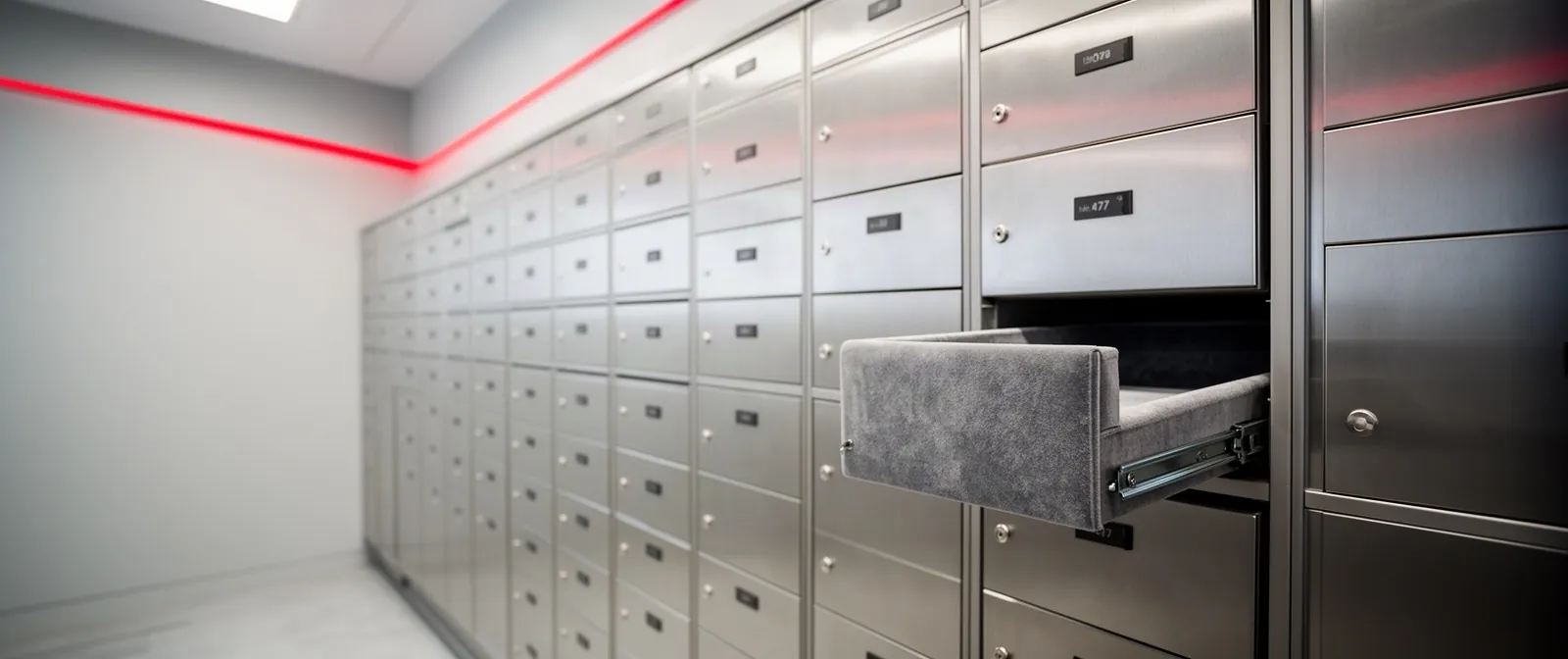
There's a downside too: until the loan is bought out, the item stays with the pawnshop and is kept in a safe. You don't use it during that period. But you have no obligation to pay from future income — the obligation is secured by the item, not by your ability to pay.
How a collateral loan differs from a bank loan
Banks assess the borrower: credit history, official income, employment, sometimes guarantors and insurance. The decision isn't instant, and the money is credited to the account after approval. A collateral loan assesses the item, not the person, so the entry threshold is lower and the speed is higher.
A bank loan usually runs for a long term and is repaid in equal installments on a schedule. A collateral loan is a short story: the term is measured in days, and you either buy the item back or extend the contract. Early buyout is possible without a penalty, and the overpayment depends on how many days you actually used the money.
Bank loan interest is usually quoted as an annual rate, while collateral loan interest is quoted in days, because the term is short. It's important to compare correctly: a daily rate and an annual rate are different figures, and over a short term a daily rate doesn't automatically turn into a large overpayment.
Terms, extension and early buyout
The term of a collateral loan is limited and measured in days. Within that term you can buy the item back at any time by returning the loan amount and interest for the actual number of days. Early buyout has no penalty: the sooner you close the contract, the less you pay for using the money.
If you can't buy the item back by the end of the term, the contract can be extended. The extension is arranged before the repayment date, not after it — that way you keep the item and avoid the unpleasant consequences of default. The extension terms are fixed in the contract, and you should read them in advance, not on the last day.
It's better to plan the term with a buffer. If you roughly know when the money will come in, take a slightly longer term — that way you keep the option to close the contract early without any rush. Before signing, ask exactly how the extension is calculated and what interest is charged for extra days.
What happens if you miss a payment
Default means the contract wasn't closed or extended on time. At that point the item stays at the pawnshop, and the terms set out in the contract for such a case take effect. That's why it's important not to miss the repayment date and to sort out the extension or buyout in advance.
If the loan is never bought back, the item may be sold — that's how collateral works: the security covers the obligation. This isn't a "seizure" or a penalty, but a pre-agreed mechanism. The procedure and timing of the sale, as well as what happens to the difference between the item's value and the debt, are set by the contract and the law.
The calmest scenario is to stay in touch with the pawnshop. If you realize you won't make it, let them know before the term ends: an extension or partial repayment usually solves the problem. Silence and a missed date are the worst option, because they take away your choices.
How to prepare for your visit
Gather everything that confirms the item's value: documents, receipts, the box, accessories, the charger, the bracelet or strap. For electronics this raises the appraisal, because it confirms authenticity and condition. For gold, the purity and weight matter, not the packaging.
Decide in advance what you need: a loan with the option to buy back, or an outright sale of the item. These are two different scenarios with different amounts in hand. With a sale you get more, but you part with the item for good; with a loan the item comes back after buyout.
If you're unsure about the appraisal, start with a preliminary one: send photos and get a ballpark figure before your visit. This saves time and helps you decide whether a loan is worth it at all. The final appraisal is still done in your presence and on the actual item.