







Woven and rigid bracelets: what's the difference
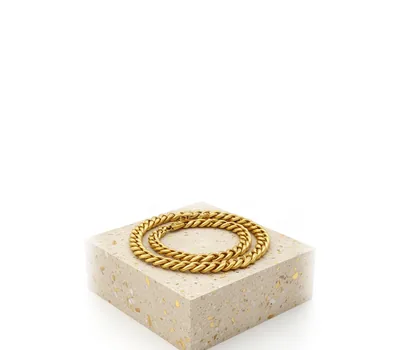
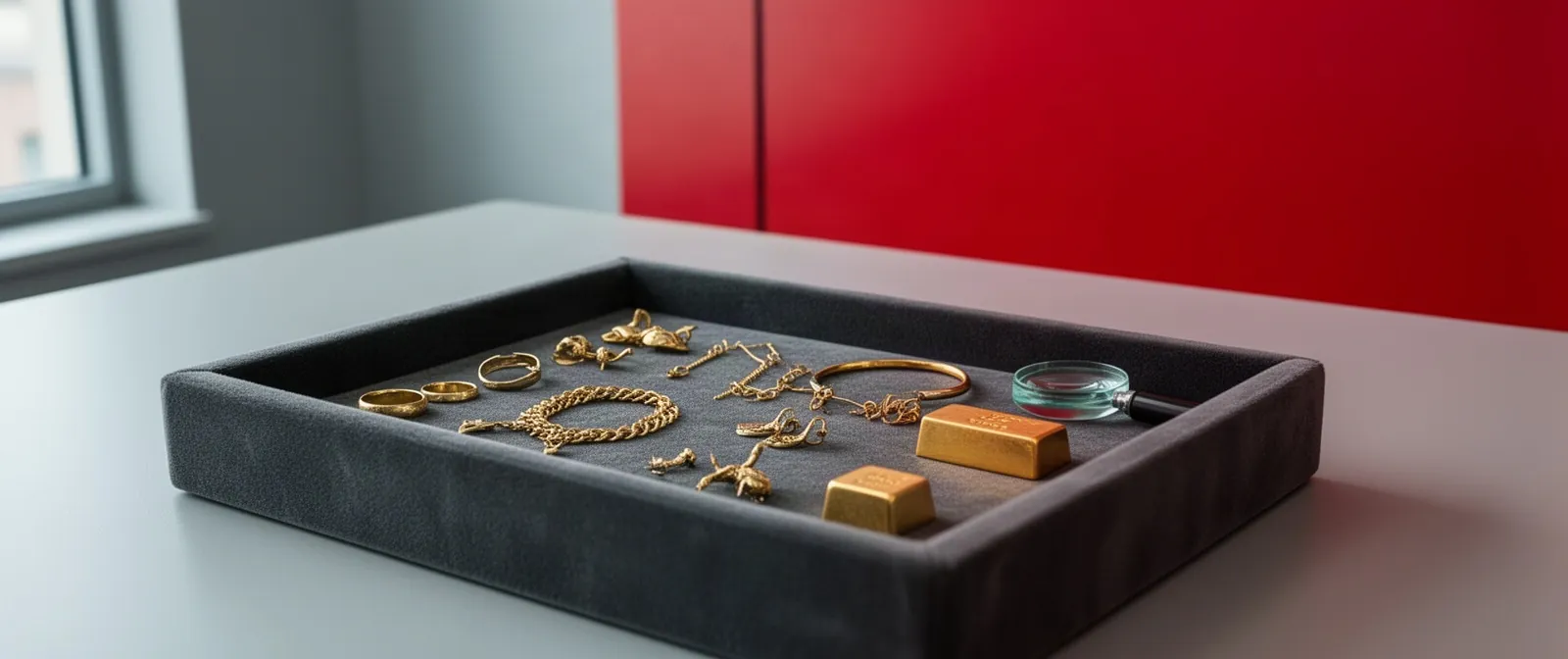
Woven bracelets are assembled from many thin wires interlaced with each other. This design gives flexibility: the bracelet slips on easily, follows the shape of the wrist and doesn't get in the way when worn. Common weave types are Bismarck, anchor, armor and cord. The more complex the weave, the more metal goes into the piece at the same length.
Rigid bracelets are solid or composite designs without moving links. They hold their shape, often have a snap clasp and look more substantial. Rigid also includes plate bracelets and so-called shackers with a smooth surface. In appraisal, what matters is not so much rigidity as the actual weight of gold in the piece.
Woven models are more common for everyday wear, rigid ones — for gift and evening options. For a pawnshop, the weave type doesn't affect purity, but it can affect condition: thin links stretch and break more easily. We accept both, including damaged ones.
Bracelets with enamel and inserts
Enamel on a gold bracelet is a decorative coating of vitreous mass applied to recesses in the metal. It can be hot (fired at high temperature) or cold (cured at room temperature). Enamel contains no gold, so only the base metal is counted in appraisal. Damaged enamel doesn't prevent acceptance, but its presence sometimes means the piece is hollow inside.
Inserts are stones, cubic zirconia, pearls or other materials set in a mounting. If the insert is a precious stone, its value may be appraised separately, but standard pawnshop appraisal counts gold first and foremost. Stones of no value usually don't affect the amount. We check the metal composition with an analyzer without damaging the enamel or the settings.
Bracelets with enamel and inserts are often made lightweight: to keep the visual volume, the metal is spread in a thin layer. So at the same size, such a piece may weigh less than it seems. The exact weight is shown by the scales, not by appearance.
Hollow bracelets: why they weigh less
A hollow bracelet is a piece with voids inside. The technique makes it possible to create a large, eye-catching item with little gold. The walls can be thin, with air or a light filler inside. That's why a hollow bracelet looks heavy but shows fewer grams on the scales.
Hollow models bend and deform more easily when hit. A dent can be straightened, but the thin wall sometimes cracks. For appraisal this is not critical: we weigh the metal and determine the purity. If the bracelet is damaged, the amount is calculated by the actual weight, not the original one.
When buying a hollow bracelet, keep in mind: the store price is often higher because of craftsmanship and design, not the amount of gold. When you bring it to a pawnshop, only the metal counts. That's why the gap between the purchase price and the appraisal can be more noticeable for hollow pieces than for solid ones.
Broken clasps and damage
The clasp is the most stressed part of a bracelet. It opens and closes daily, so over time the spring weakens, the pin wears down, and the fastening loosens. A broken clasp doesn't mean the bracelet can't be accepted: we appraise the metal, not the mechanism.
A torn chain, a bent link, a missing charm or a broken catch — none of this lowers the purity. If part of the bracelet is lost, the weight will be lower, and the amount will change accordingly. But the damage itself doesn't affect the rate per gram.
Before your visit, don't try to repair the bracelet yourself: soldering can add solder with a different purity. We accept items in any condition and check the composition with an analyzer. The appraisal is done in front of you and takes a few minutes.
Weight, purity and hallmark on the clasp
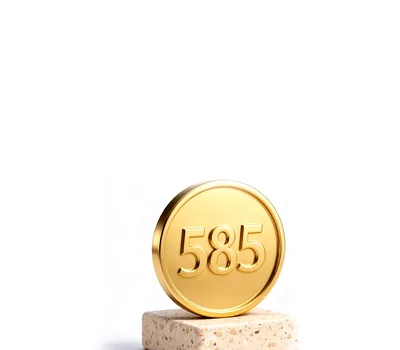
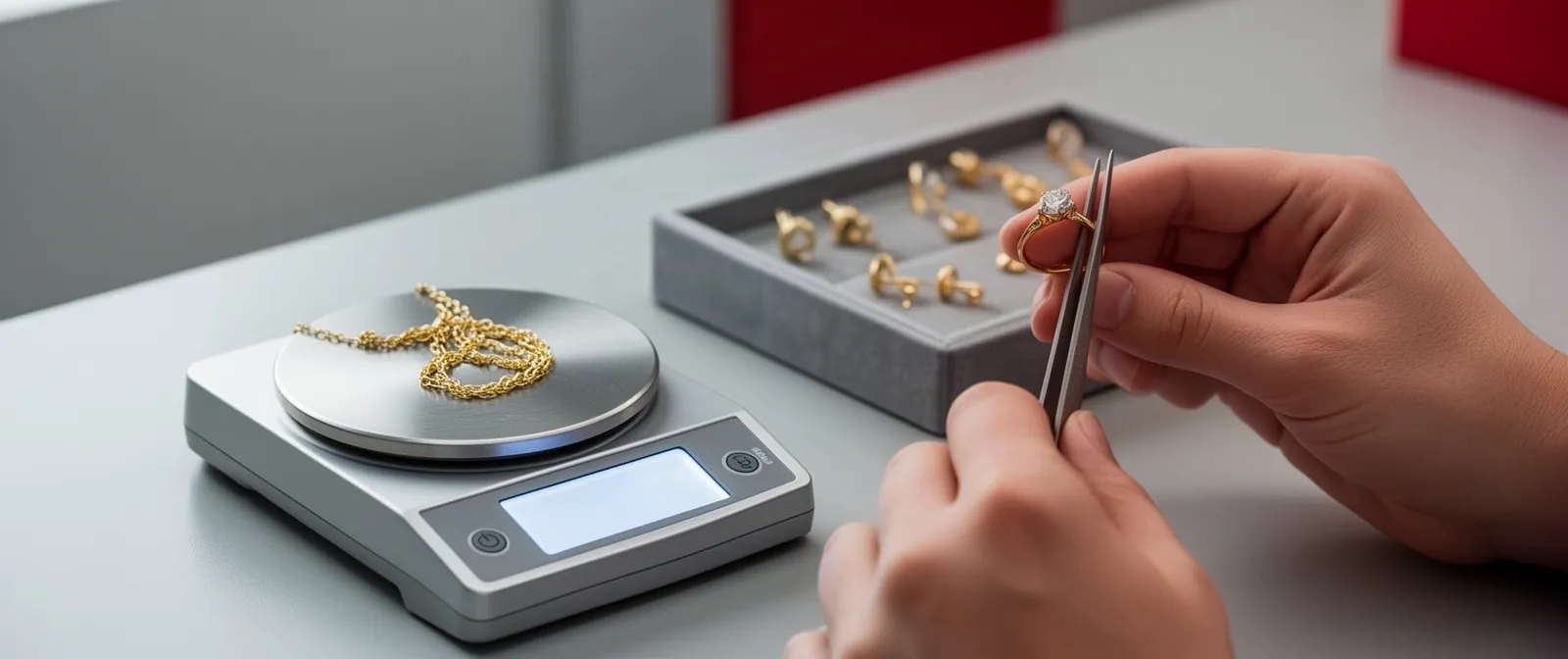
Gold purity shows the share of pure metal in the alloy. In Kazakhstan, 375, 583, 585, 750 and 999 purities are common. The hallmark is usually stamped on the clasp or on a special plate inside the bracelet. If the hallmark is worn off, the purity can still be determined: we use an analyzer that works without acid or scratches.
The bracelet's weight is measured on precise scales. The loan amount depends on the weight and purity. For example, a 10 g bracelet of 585 purity is appraised at 321 000 ₸. The higher the purity and the more grams, the higher the appraisal. The type of weave, enamel or inserts don't affect this.
If the hallmark is questionable or in an unusual place, that's no reason to refuse. We test the metal with a device and quote the amount before paperwork. You can compare the terms and decide with no obligations.