










Weights of measured bars: from 1 to 100 grams
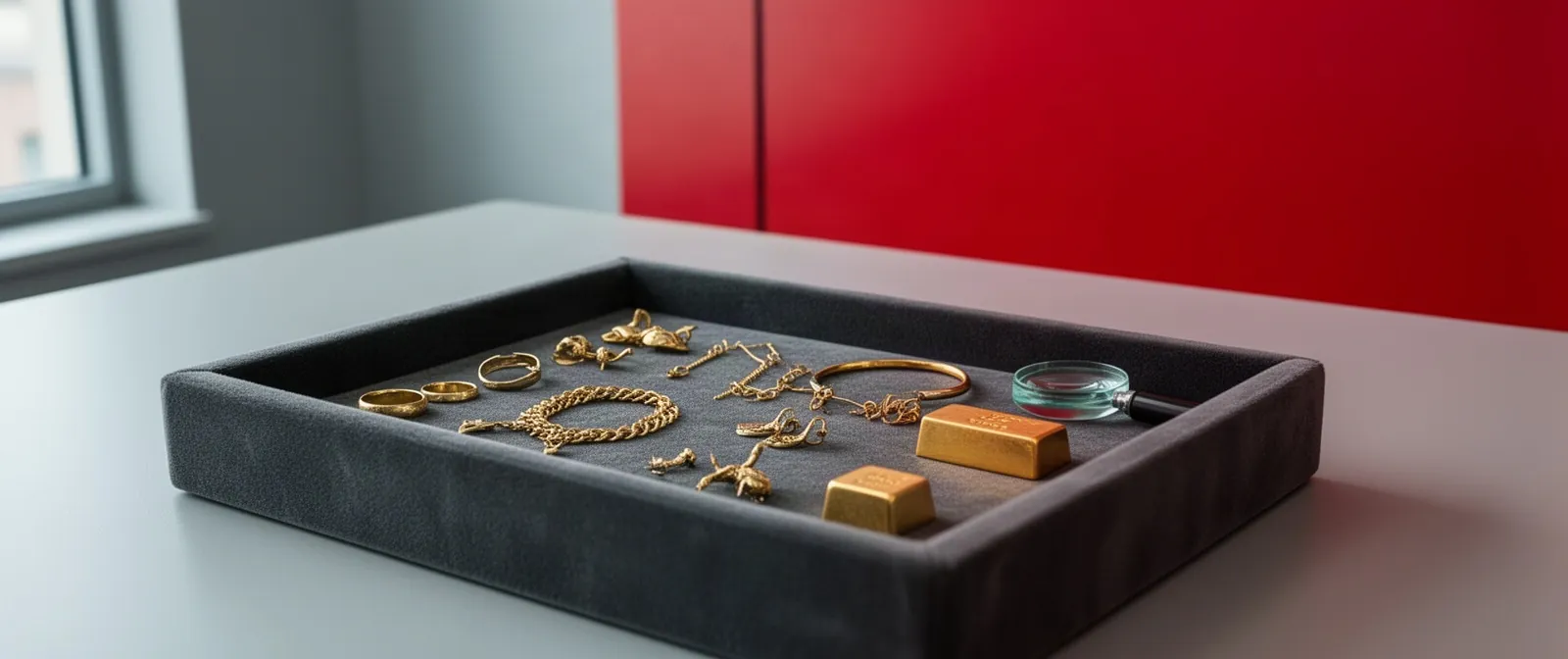
Measured bars are produced in fixed weights: 1, 2, 5, 10, 20, 50 and 100 grams. This is the standard followed by banks and refineries. The weight is always stated on the bar itself and in the certificate. The greater the weight, the lower the per-gram cost, but the higher the total amount.
For a loan or sale, weight is the key parameter. We accept bars of any of the listed weights. The appraisal is based on the actual weight, confirmed by weighing on precise scales in your presence. If the bar is in packaging, we weigh it together with the packaging, then subtract the packaging weight if it is stated. This eliminates errors.
Sometimes bars of non-standard weight are found, for example 31.1 g (troy ounce) or 50 g. They are also accepted, but appraised by the same rules: weight and purity. Fractional weights like 33.5 g are rare — usually these are melted-down items, not measured bars. For them, the general gold appraisal applies.
Certificate: what it confirms and whether it is needed
A certificate is a document confirming the purity, weight and manufacturer of the bar. It is issued by banks and refineries. The certificate states the unique number, the bar's serial number, purity, weight and issue date. Having a certificate simplifies the appraisal, but it is not a mandatory condition for a loan or sale.
We accept bars both with and without a certificate. If there is a certificate, we check the number on the bar against the number in the document. This is an additional authenticity check. If there is no certificate, the bar is still appraised by weight and purity, which we determine with an analyzer. The absence of a certificate does not reduce the appraisal amount.
It is important to understand: a certificate does not replace testing the metal. Even with a document, we analyze the purity. This is a standard procedure that protects both the client and the pawnshop. If the bar turns out to be fake, the certificate won't help. That is why we always test the metal with a device.
Manufacturers and packaging: what to look at
Measured bars are produced by refineries and banks. Well-known manufacturers: Prioksky Plant of Non-Ferrous Metals, Krasnoyarsk Plant of Non-Ferrous Metals, Moscow Plant for Processing Special Alloys, as well as foreign ones — Valcambi, PAMP, Umicore. The bar usually bears the manufacturer's stamp, purity and weight. The packaging may be plastic or a blister with a protective hologram.
Packaging protects the bar from scratches and oxidation. It is not recommended to open it yourself if you plan to sell the bar as an investment. For a loan or sale to a pawnshop, packaging is not decisive: we test the metal anyway. If the packaging is opened, this does not make the bar unsuitable for appraisal.
We do not open packaging unless necessary. If the bar is in a sealed blister, we can appraise it through the packaging using an analyzer. This is possible if the plastic contains no metal inclusions. Otherwise, we carefully open the packaging in the client's presence. All actions are agreed upon.
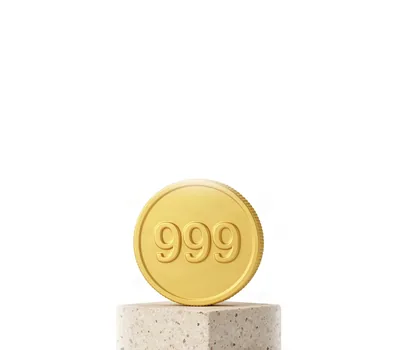
Purity 999 and 999.9: what's the difference and how they are appraised
Purity 999 means the bar contains 99.9% gold, and 0.1% is impurities. Purity 999.9 is 99.99% gold. The difference in fineness is minimal, but for investment bars the standard is 999.9. Bank bars more often have a purity of 999.5 or 999.9. Measured bars are usually produced with a purity of 999.9.
During appraisal we determine the purity with an analyzer. If 999.9 is declared but the device shows 999, we go by the actual purity. The price difference between 999 and 999.9 is insignificant, but it exists. For a collateral loan we use the price per gram for purity 999 stated on the page. For 999.9 the price may be slightly higher, but within the same category.
Important: bars with purity 999 and 999.9 are accepted equally willingly. The main thing is confirmed purity and weight. If the bar turns out to have a purity below 999, for example 916, it is appraised in the corresponding category. We always tell the client the actual purity before signing the contract.
How we appraise bars: step by step
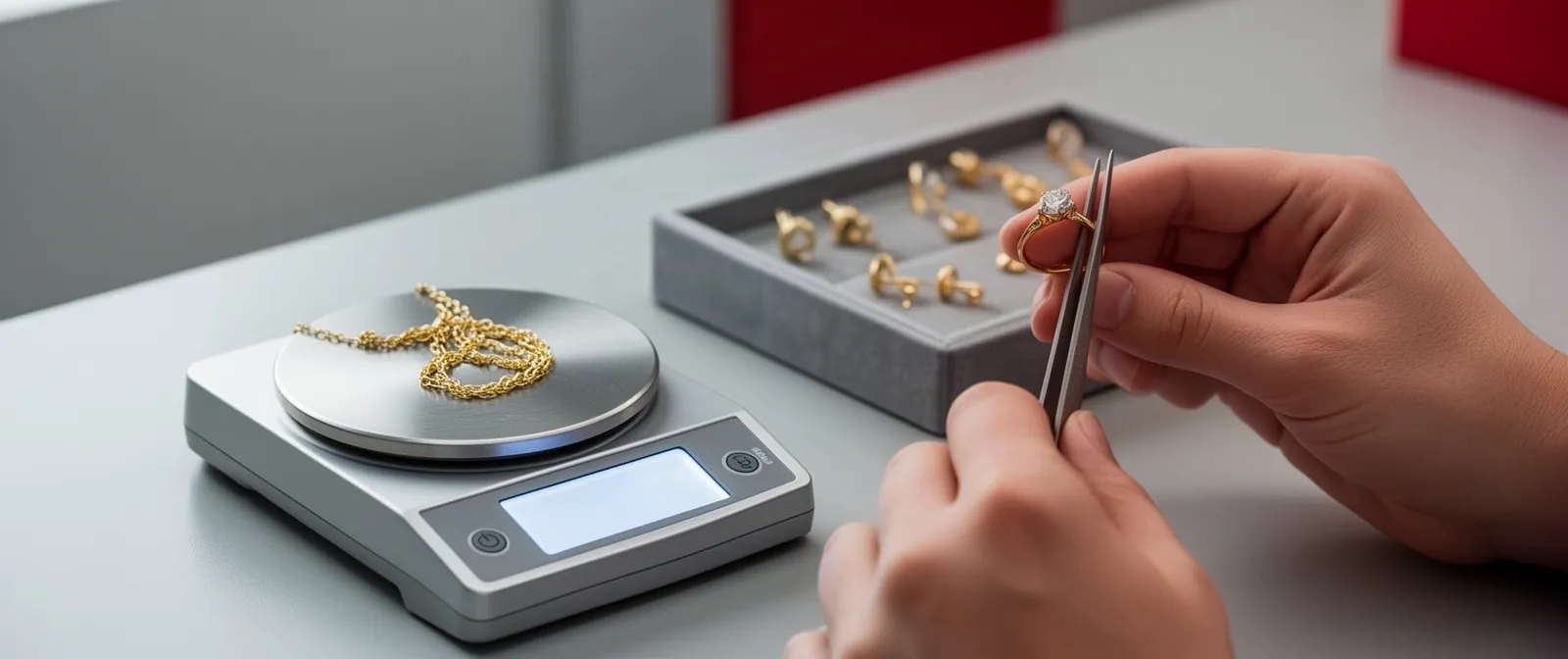
The appraisal begins with a visual inspection. We check for the stamp, the weight stated on the bar, and the condition of the packaging. Then we weigh the bar on precise scales. After that we determine the purity with an analyzer. The device shows the gold content without damaging the surface. If the bar is in packaging, the analysis is done through it, or the packaging is carefully opened with the client's consent.
Value is calculated based on weight and purity. For a loan we offer up to 80% of market value. Rate — 0.19–0.25% per day, term — from 1 to 90 days. Early buyout with no penalty. No appraisal or processing fees. We pay out cash or transfer to a Kaspi card. All calculations are shown before the contract is signed.
If you want to sell the bar right away, we buy it for roughly 10% more than the loan amount. That means the final buyout amount will be higher than if you took a loan and bought it back. We operate under an ARDFM license, which guarantees lawful transactions. Pledged items are stored in a safe.